
← News
AI for museums: transforming the visitor experience with Sof.IA
Culture by Mariarita Persichetti

AI for museums can support many tasks in the management of cultural heritage. It can help transcribe documents, analyse images, generate subtitles and enrich metadata, making digital collections better organised and more accessible to visitors.
But once the information has been gathered and organised, how can it become more useful to people visiting a museum (or discovering an area)?
From information to experience: the role of artificial intelligence in museums and cultural sites
A museum may have a website full of information about its works, but a visitor may not know where to find a particular piece of content. A park may have documented trails and points of interest without offering a simple way to consult them during the visit. A municipality may publish cultural information across several web pages, making it harder to find one’s way among events and itineraries.
An AI-based digital guide can help close this gap between the information available and the questions people ask. Instead of browsing a list of pages or cards, visitors can talk to an assistant and get answers in natural language.
The aim is to give both visitors and museum staff an intelligent, dynamic and conversational way to access information.
Sof.IA: a tailored AI guide for museums and cultural sites
Sof.IA is the solution by Frame Multimedia Solutions designed to accompany visitors as they discover museums, cultural sites and heritage, cities and events.
The guide runs in the browser on smartphones, tablets, computers and kiosks, with no app to install. The institution can tailor it through an admin panel, managing the information and the AI’s knowledge base, and can check at any time what the AI knows, and therefore the sources and content it uses to understand questions correctly and answer them.
The system is designed for natural, engaging interaction: answers in natural language, spoken answers, interactive maps, point-of-interest cards, visit itineraries, image recognition and multimedia and 3D content produced for the occasion.
This is what makes these technologies different: designing and presenting different experiences in real time, depending on the context. In a museum, for example, visitors can look up a work, an artist, a room or an event; in a park, they can find their way among points of interest and learn about rules and trails; in a historic centre, they can explore places and itineraries, cycle routes, restaurants and hotels, and distances from points of interest.
Customisation is central. The institution can organise the guide’s information base around its own heritage and its audience’s needs, which prevents the AI from producing “hallucinations”, that is, answers containing false or unverified information. The AI only ever draws on the information provided by the institution.
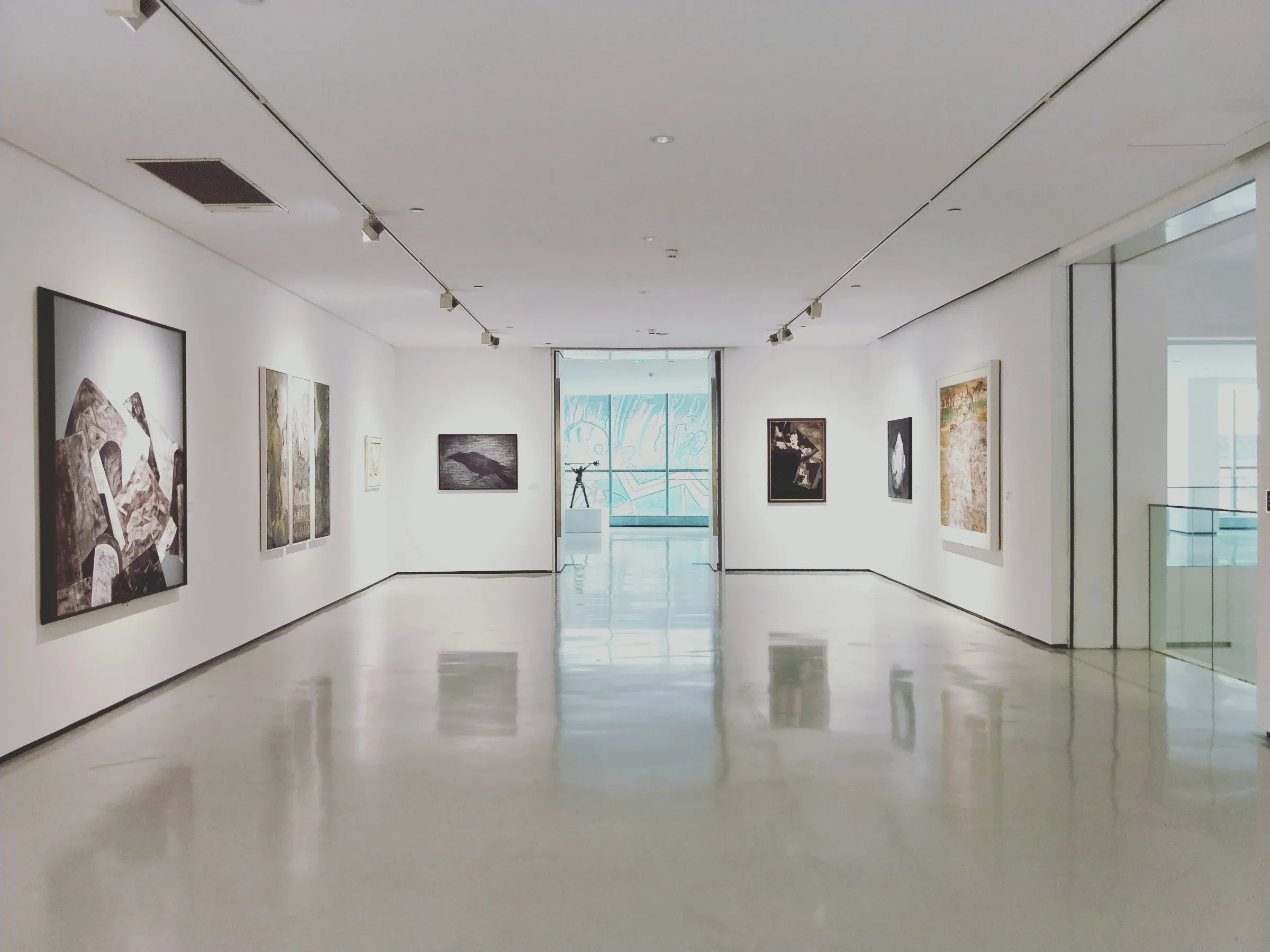
AI can help improve the visitor experience in museums
AI for museums: practical applications to improve the visitor experience
Beyond managing and organising content behind the scenes, artificial intelligence can become a way to bring people closer to cultural heritage. With Sof.IA, Frame Multimedia Solutions brings AI directly into the visit, through a digital guide for exploring collections and cultural sites interactively.
Here are some of its main applications:
1. Answering visitors’ questions
An AI guide lets people get information about works, collections, rooms, artists, historical periods, news and events, and points of interest in general, by asking questions in natural language. Visitors can explore what interests them without having to follow the same standard information path as everyone else. Sof.IA is designed to use the content approved by the institution, which manages the information made available to the public.
2. Exploring heritage through images
Image recognition connects what the visitor is looking at with information and in-depth content, making interaction with the works more immediate.
3. Finding your way and building personalised routes
Personalised itineraries help people move through the spaces and choose what to explore further. These features can be especially useful in large, complex museums with many areas to visit. The AI system can generate visit itineraries in context, in response to specific visitor questions such as “what can I see in an hour?” or “how do I find all the works by this artist?”.
4. Making content accessible in different ways
Voice interaction, the option of listening to answers and access from the browser let people reach information in different ways. Building these tools into the design of cultural services can help make visits more flexible and accessible, taking into account the different habits and needs of the public.
AI for museums: why content quality remains central
How well artificial intelligence works for cultural heritage depends on the information it is given. Transcriptions, descriptions, metadata and digitised materials can form an important basis for organising content and making it usable; it is just as important that institutions can check it, update it and keep control of it.
This also means going a step beyond the traditional management of heritage information and inventories in databases and Excel spreadsheets. Building the knowledge base for an artificial intelligence does not just mean “creating an AI guide for visitors”: it means making the most of the institution’s information and organising it in a structured way, a process that will become increasingly necessary in the coming years and will be the basis for the technological solutions, both administrative and communicative, that can be developed.
Sof.IA makes the most of the information provided by the institution through an interface designed for staff, so the knowledge base can be managed independently, without external consultants. The platform has a very simple back office for managing information and content, and can be tailored to the features of the cultural site or tourist destination.
Sof.IA by Frame Multimedia Solutions: artificial intelligence serving culture
The applications of AI for museums range from content management to new ways of interacting with the public. To turn these possibilities into real services, however, you need to start from the institution’s needs and the features of the heritage to be enhanced.
Sof.IA, the guide developed by Frame Multimedia Solutions as part of its AI solutions for museums, cultural institutions and tourist destinations, brings together natural-language questions, maps, information cards and visit routes in a single digital experience, accessible from the browser with no app to install.
- #cultura